Connecting Midwest Youth Players with College Opportunities
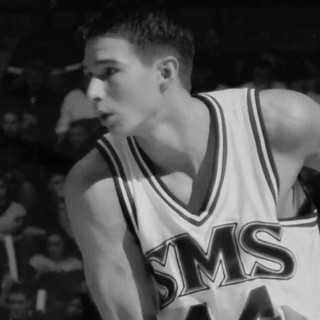
The journey from high school athletics to college sports can be a challenging path for many young athletes, especially in the Midwest. With a rich tradition of sports and a plethora of colleges and universities, the region offers unique opportunities for youth players to connect with potential college programs. This blog post will explore how Midwest youth players can navigate this landscape, find the right college fit, and ultimately secure athletic scholarships.

Understanding the Landscape
The Importance of College Sports
College sports play a significant role in the lives of many young athletes. They provide not only a platform for competition but also opportunities for scholarships, personal growth, and networking. According to the NCAA, more than 480,000 student-athletes compete in college sports each year. This number highlights the competitive nature of college athletics and the importance of standing out.
The Midwest Advantage
The Midwest is home to numerous colleges and universities with strong athletic programs. Schools like the University of Michigan, Ohio State University, and the University of Wisconsin offer robust sports programs that attract talent from across the nation. Additionally, many smaller colleges in the region provide excellent opportunities for athletes looking to compete at a collegiate level while receiving a quality education.
Finding the Right Fit
Researching Colleges
The first step for any athlete is to research potential colleges. This involves looking into:
Athletic Programs: Understand the level of competition (NCAA Division I, II, III, NAIA, or NJCAA) and the specific sports offered.
Academic Programs: Ensure the college offers a major that aligns with the athlete's career goals.
Campus Culture: Visit campuses if possible to get a feel for the environment and community.
Creating a Target List
Once research is complete, athletes should create a target list of colleges. This list should include a mix of:
Reach Schools: Colleges that may be a stretch based on current skill level.
Match Schools: Institutions where the athlete's skills align with the program's needs.
Safety Schools: Colleges where the athlete is likely to be recruited and accepted.
Building a Strong Profile
Athletic Skills Development
To attract college coaches, athletes must continually develop their skills. This can be achieved through:
Training: Regular practice and training sessions to improve performance.
Competing: Participating in local leagues, tournaments, and showcases to gain exposure.
Feedback: Seeking constructive criticism from coaches to identify areas for improvement.
Academic Performance
Colleges look for well-rounded student-athletes. Maintaining strong academic performance is crucial. Athletes should:
Focus on Grades: Aim for a GPA that meets or exceeds the college's requirements.
Standardized Tests: Prepare for and perform well on SAT or ACT exams.
Extracurricular Activities: Engage in clubs or volunteer work to demonstrate leadership and commitment.
Networking with Coaches
Building Relationships
Establishing connections with college coaches can significantly impact recruitment. Athletes should:
Reach Out: Send introductory emails expressing interest in the program and sharing athletic achievements.
Attend Camps: Participate in college camps and showcases to get noticed by coaches.
Follow Up: Keep in touch with coaches through regular updates on performance and achievements.
Utilizing Social Media
In today's digital age, social media can be a powerful tool for athletes. Platforms like Twitter and Instagram allow players to showcase their skills and connect with coaches. Athletes should:
Share Highlights: Post videos of games, practices, and training sessions.
Engage with Coaches: Follow and interact with college programs on social media.
Maintain Professionalism: Ensure that all content shared reflects a positive image.
The Recruitment Process
Understanding Recruitment Timelines
The recruitment process can vary significantly depending on the sport and division level. Athletes should familiarize themselves with:
Recruitment Periods: Different sports have specific timelines for when coaches can contact athletes.
Dead Periods: Times when coaches cannot communicate with recruits.
Official Visits: Opportunities for athletes to visit campuses and meet with coaches.
Navigating Offers and Scholarships
When offers come in, athletes must evaluate them carefully. Considerations should include:
Scholarship Amount: Understand the financial aid being offered and what it covers.
Program Fit: Assess whether the college aligns with athletic and academic goals.
Long-Term Opportunities: Look into the potential for growth within the program.
Success Stories
Local Examples of Midwest Athletes
Many Midwest athletes have successfully transitioned to college sports. For instance, a soccer player from a small town in Illinois received a scholarship to play at a Division I university after showcasing her skills at a regional tournament. Her story emphasizes the importance of hard work, dedication, and seizing opportunities.
Another example is a basketball player from Indiana who leveraged his performance in high school to secure a spot on a college team. His journey highlights the significance of networking with coaches and maintaining academic excellence.
Conclusion
Connecting Midwest youth players with college opportunities requires a proactive approach. By researching colleges, building strong athletic and academic profiles, networking with coaches, and understanding the recruitment process, young athletes can successfully navigate their path to collegiate sports. The journey may be challenging, but with determination and the right strategies, the dream of playing at the college level is within reach.
As you embark on this journey, remember to stay focused, work hard, and embrace every opportunity that comes your way. The world of college athletics is waiting for you!


Comments